When DIY Fails: The Case for Professional Tile Cleaning
Tile floors add a lot to a home. They are durable, cool underfoot, and come in endless patterns and colors. But anyone who has lived with tile for more than a few years knows the honeymoon period ends the moment grout lines start looking dingy. That grayish haze that creeps into the joints between tiles is not just cosmetic. It signals trapped dirt, soap scum, and sometimes mold. At that point, a mop and a bucket of store-bought cleaner stop being enough.
I have seen homeowners spend hours scrubbing on their hands and knees, using everything from bleach to baking soda, only to watch the grout darken again within weeks. The problem is not effort. It is approach. Surface cleaning cannot reach what is embedded deep inside porous grout. That is where professional tile cleaning comes in. It uses tools and chemistry that are simply not available in a grocery store aisle.
What Professional Tile Cleaning Actually Does
The term "professional tile cleaning" gets thrown around a lot, but the reality is more specific than a deep scrub. A proper service starts with assessment. Not all tile is the same. Ceramic, porcelain, natural stone, and quarry tile each react differently to cleaning agents and pressure. A pro will identify the type and condition of your tile and grout before choosing a method.
Next comes the cleaning step itself. High-temperature water mixed with a pH-balanced cleaner is applied under pressure. This is not a pressure washer used on a driveway. It is a controlled system that flushes out dirt from the grout without damaging the tile surface. A truck-mounted or portable unit extracts the dirty water, pulling contaminants out rather than pushing them deeper. After extraction, the floor is rinsed and dried.
For many homes, that alone restores the original color of the grout and removes the sticky residue that makes tile look dull. But in cases where sealing was neglected or the grout is heavily stained, a second pass with a stronger solution may be needed. The key is that each step is measured and adjusted on the fly. There is no one-size-fits-all recipe.
Why Grout Gets Dirty and Why Scrubbing Fails
Grout is essentially a sponge. It is made from cement, sand, and water, and once cured, it remains porous. Every time you mop with a standard cleaner, some of that liquid soaks into the grout. Over time, the dirt and chemical residue build up inside the pores. The surface may look clean for a few hours, but the grout is slowly filling with grime.
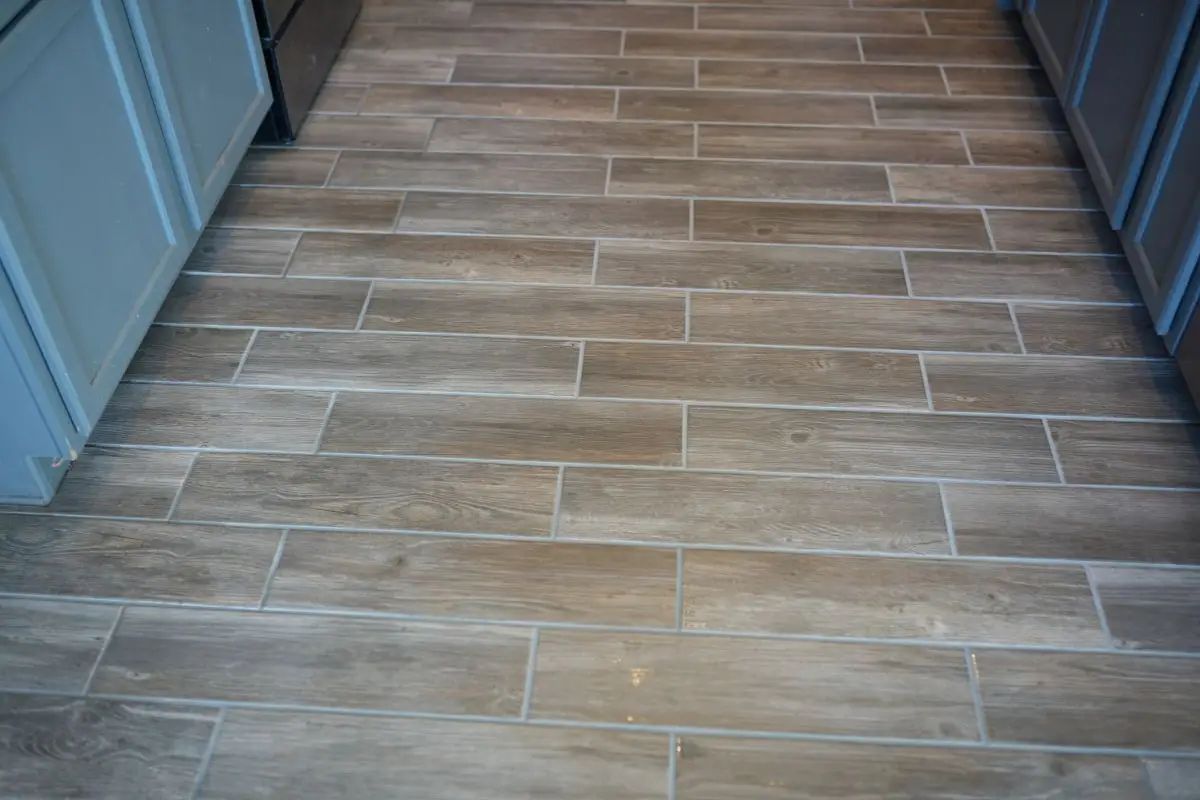
When you scrub with a brush, you only remove what is on top. The embedded soil stays put. Worse, abrasive scrubbing can wear down the surface of the grout, making it even more porous and harder to clean later. This is why many homeowners notice that their grout looks worse after a few years of regular cleaning. They are not failing. They are fighting a losing battle against the physics of porous material.
Professional tile cleaning works differently. The combination of heat, chemical action, and mechanical agitation breaks the bond between the dirt and the grout. Then extraction pulls the loosened material out. It is a reset, not a polish.
Sealing: The Step Most People Skip
Once the grout is clean, the next logical step is sealing. A good sealant fills the pores and creates a barrier that repels water and oil. Without it, the grout will start absorbing dirt again immediately. Many homeowners skip this step because they do not know it exists, or they assume a mop-and-seal product does the same thing. It does not.
A professional-grade sealer is applied after the grout is completely dry and clean. It soaks in and cures to form a protective layer. This does not make the grout bulletproof, but it cuts the absorption rate dramatically. A sealed floor stays cleaner longer and requires less harsh cleaning down the road.
There is a trade-off, though. Sealer wears away over time, especially in high-traffic areas. It needs to be reapplied every one to three years depending on foot traffic and cleaning habits. Professional tile cleaning should ideally be paired with resealing to get the full benefit.
Pet Odors and Hidden Problems
Tile is often chosen for homes with pets because it is easy to wipe up accidents. But urine can seep into grout and even through the thin-set mortar beneath the tile. Over time, that creates a smell that no amount of mopping can fix. The odor comes from uric acid crystals that form as the urine dries. They are not water-soluble, so standard cleaners do not touch them.
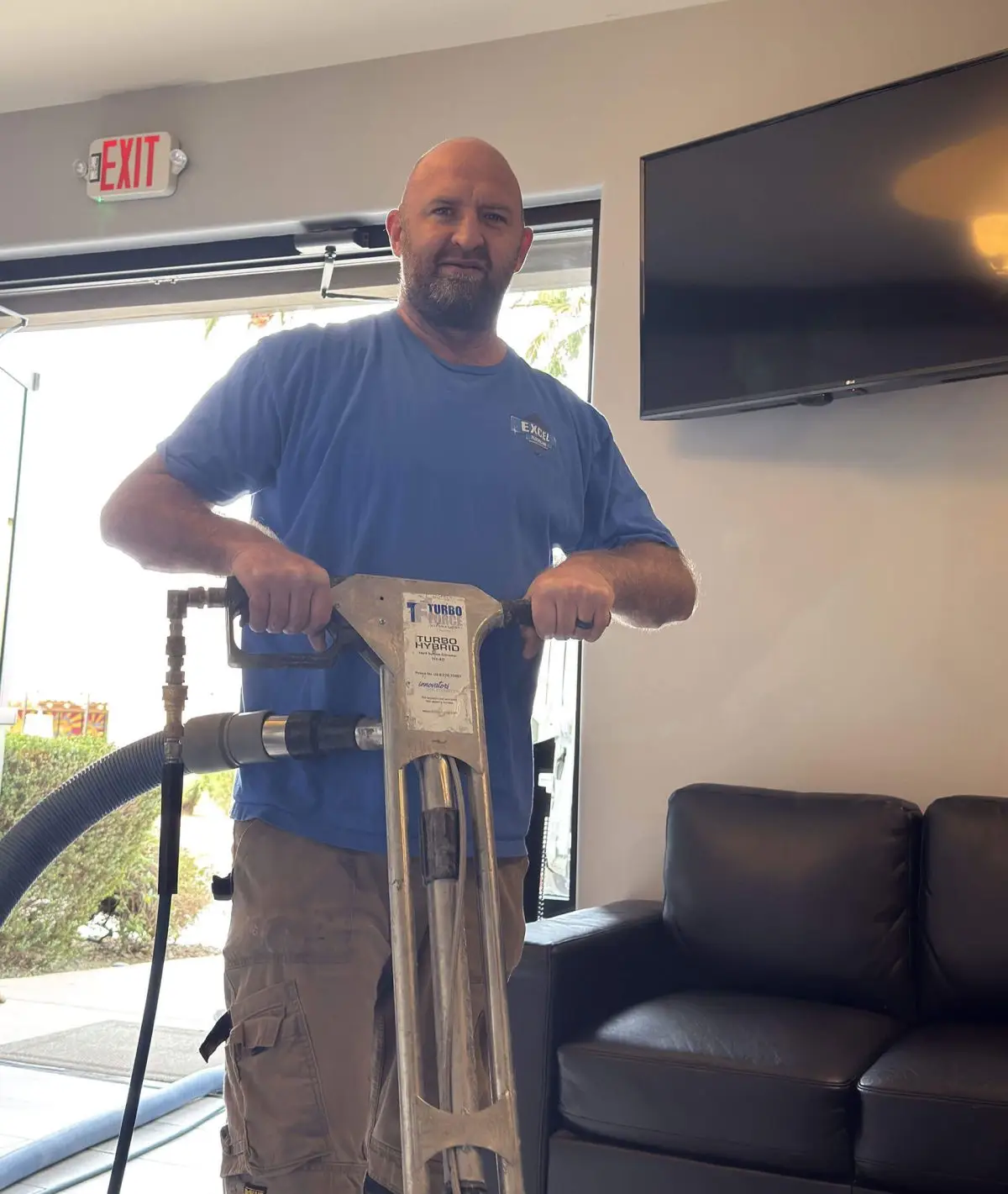
Professional tile cleaning can address this, but it requires an enzymatic or oxidizing treatment that breaks down those crystals. The cleaning step flushes out the residue, and the odor goes with it. This is one area where DIY solutions almost always fail because the problem is not on the surface. It is inside the substrate.
If you have pets and tile floors, and you notice a lingering smell even after cleaning, professional tile cleaning is worth considering. The same process that removes embedded dirt also removes biological residues.
When to Call a Pro
Not every tile floor needs professional help. If you keep up with routine sweeping and damp mopping, and your grout is still light-colored and intact, you may be fine for years. But there are clear signs that DIY is no longer working.
Connect with us on Facebook.
- Grout looks darker than it used to, even after mopping.
- The floor feels sticky or filmy after cleaning.
- You notice a musty smell near tile in bathrooms or kitchens.
- Pet accidents have left stains or odors that will not go away.
- It has been more than three years since the grout was last sealed.
If any of those sound familiar, professional tile cleaning is likely the right next step. The cost is much lower than replacing tile or regrouting, and the results usually last for years if followed by proper maintenance.
Maintenance After Cleaning
Once the tile and grout are professionally cleaned and sealed, the goal is to keep them that way. Simple habits help. Use a microfiber mop instead of a wet mop. Avoid acidic cleaners like vinegar on sealed grout. Wipe up spills quickly, especially anything oily or colored. And do not let soap scum build up in showers.
A neutral pH cleaner designed for sealed tile is a good investment. It cleans without stripping the sealer. And once a year, check the grout in high-moisture areas. If water beads up on the surface, the sealer is still working. If it soaks in, it is time to reseal.
Professional tile cleaning does not have to be an annual event. With good maintenance, every three to five years is enough for most households. That is a small investment for floors that stay looking fresh.
Excel Floor Care, located at 105 E Baseline Rd, Gilbert, AZ 85233, USA, is a locally owned tile and grout cleaning service operated by Matt Jordan since 2011, serving the Phoenix Valley with professional cleaning, sealing, and pet odor treatment. Call them at +1 480-729-2731 for more information.
Ends · PROFESSIONALTILECLEANINGFACTS